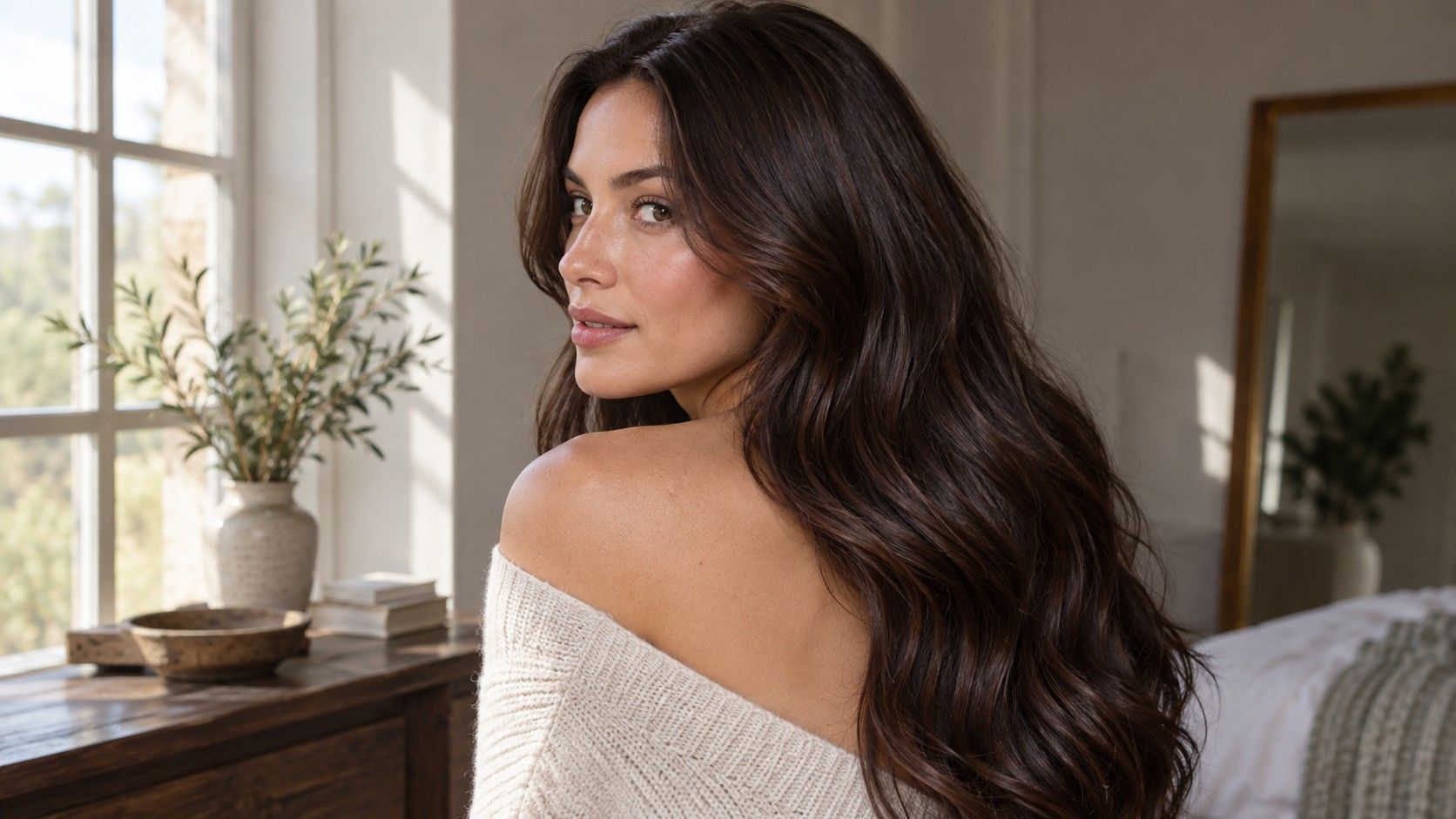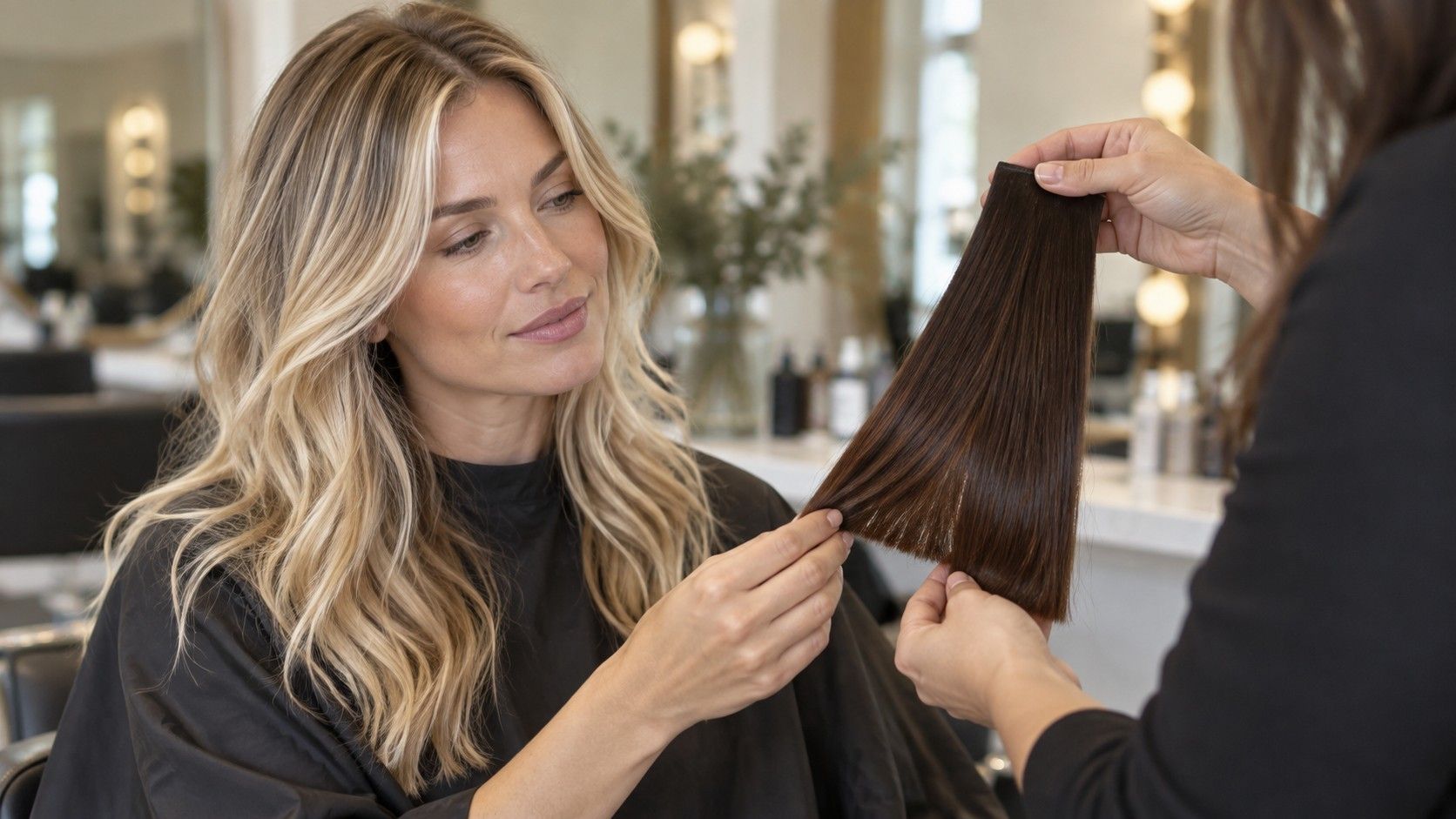
A photo result that says only “brown” can feel disappointingly vague, yet it has already done one useful job: it has placed the hair in a broad color family. The next step is not to hunt for a more poetic label. It is to describe what can actually be seen—how light or dark the base appears, which reflections show in neutral light, and whether the roots match the lengths. That description travels more reliably between a hair color checker, a salon consultation, and a shade chart than a single name ever will.
Treat the detected label as a rough family, not a final answer
A photo-based hair color detector works with pixels, not strands. It sees the combined effect of hair, lighting, camera exposure, background, and the amount of shine on the surface. A broad result such as brown, blonde, red, or black is therefore best treated as an initial family. Even a more specific label such as chestnut brown may describe what the image resembles rather than the actual depth and reflect of the hair.
Separate base depth from gold, red, or ash reflections
The uncertain border between dark blonde and light brown is a common example. The same head of hair may look brown beside a white wall, dark blonde near a sunny window, and several shades deeper in a dim room. Fine hair can appear lighter where light passes through it, while dense hair creates deeper shadows. A phone may also brighten a face automatically and alter the hair along with it. None of those changes means the underlying color has changed.
Start by reducing the label to two questions. First, does the overall depth look light, medium, or dark within its family? Second, does the visible surface read neutral, warm, or cool? “Medium brown with a soft golden reflection” is more useful than “caramel mocha,” because it separates the base depth from the effect seen when light hits it. If the detector offers several nearby answers, that is often a sign that the shade sits near a boundary rather than evidence that one answer must be correct.
| What the result says | What to check next | A clearer working description |
|---|---|---|
| Brown | Depth in indirect daylight | Light, medium, or dark brown |
| Warm brown | Whether gold, copper, or red is visible | Brown with a golden or red reflection |
| Ash brown | Whether coolness is true tone or simply low light | Neutral-to-cool brown at an estimated depth |
| Dark blonde | Comparison with natural roots and a neutral shade chart | Dark blonde or very light brown boundary |
Check roots and ends before naming the whole head
Hair rarely presents one uniform color from scalp to ends. Natural roots may be cooler and slightly deeper because they have not been exposed to sun or repeated washing. Mid-lengths may hold old permanent color, and porous ends can look either warmer from fading or darker from accumulated deposit. A detector averages these zones, so its answer may describe the largest visible area rather than the color that matters for the next service.
Take three separate photographs: the first two centimeters near the part, the mid-lengths, and the ends laid against the same neutral background. Use indirect daylight rather than a shaft of sun, turn off beauty filters, and avoid a warm bathroom bulb. The goal is not a flattering portrait. It is a consistent record of how each zone differs. If possible, include both the top layer and a section from underneath, since the exposed surface often fades faster.
A useful note might read: “Natural roots are a cool medium brown; the lengths are one step lighter with gold; the last ten centimeters are brighter and coppery.” That is far more actionable than trying to force all three zones under one shade name. When someone wants to identify their current hair color before buying dye or speaking with a colorist, the root description helps establish the natural starting point, while the lengths explain where color may process or fade differently.
Gray strands deserve their own note as well. A small silver percentage can make the overall photograph look lighter without changing the depth of the pigmented hair. Conversely, bright window light can make silver strands disappear into glare. Record whether they are scattered, concentrated at the temples, or forming a distinct section. A single average label cannot communicate that distribution.
Depth and reflection answer different questions. Depth describes how light or dark the hair appears; reflection describes the color revealed across the surface or under movement. Two heads of hair can share a similar medium-brown depth while one flashes gold and the other appears muted or cool. Calling both simply brown removes the distinction most likely to affect the choice of a future shade.
Look at the broad, shaded areas first to estimate base depth. Then tilt the hair or change position near the window and watch the highlights. Gold tends to show as yellow warmth, copper as orange warmth, and red as a deeper red or auburn cast. An ash impression is usually less about seeing a blue or green color and more about the absence of obvious warm reflection. Neutral hair may still show warmth in direct sun; sunlight is not a neutral diagnostic lamp.
Also distinguish a true warm reflect from environmental color. A cream wall, wooden furniture, sunset light, or a warm phone setting can place orange over the entire frame. Check a white or gray object in the same photograph. If it also looks yellow or peach, the image has a color cast. Correcting that mentally—or retaking the photograph in more neutral light—is safer than naming the hair copper from that frame.
For practical communication, combine the observations in a fixed order: estimated depth, color family, then reflection. “Very light brown with gold,” “medium brown with muted red,” and “dark blonde with a neutral finish” remain understandable even when two brands use different names. The wording does not claim a precise dye formula; it describes the visible starting point.
Translate a marketing shade name into plain salon language
Names such as iced cocoa, mushroom brunette, espresso, toasted almond, and smoky beige are not controlled color standards. One company’s espresso may be a neutral dark brown, another’s may lean cool, and a third may appear virtually black. A salon shade chart can help organize options, but numbering and letter systems are not universal either. The same number can indicate a different depth or tone in another range, so a code should always stay attached to its specific chart.
When a detector supplies a fashionable name, inspect the preview or sample and translate it into ordinary components. Ask how dark it is compared with the current natural roots. Note whether the dominant family is blonde, brown, black, or red. Then name the visible warmth: neutral, gold, copper, red, or cool/muted. “Mushroom brown” might become “light-to-medium brown with a muted neutral-cool reflect.” “Chocolate cherry” might become “medium or dark brown with a visible red-violet reflect.”
Physical swatches should be used as comparisons, not promises. Synthetic fibers reflect light differently from human hair, and a printed chart depends on paper and ink. Hold a swatch near the hair in indirect daylight and compare depth first. If the swatch disappears against the shaded part of the hair, the depths may be close. Then compare the reflection across the curved, shiny areas. This makes the chart a shared visual language instead of a prediction of the finished result.
If speaking with a colorist, bring the original unfiltered photographs and two or three reference images rather than only a screenshot of the detector’s label. Include one image that shows the desired depth clearly and another that shows the preferred reflection. Saying what you do not want—such as “not so dark that it reads black indoors” or “gold is fine, but I do not want a strong orange-red finish”—can narrow the interpretation more effectively than adding another branded shade name.
Know when a photograph cannot settle the question
A photograph cannot reveal color history. It does not show whether the dark lengths contain repeated permanent dye, whether a light section was previously bleached, or whether a temporary color has stained porous ends. Those facts affect what can be changed safely and evenly. The image also cannot reliably establish strand condition, elasticity, or how strongly different zones will accept new pigment.
There are visual warning signs that should pause the naming exercise. Banding around the head may indicate several stages of regrowth or previous applications. Ends that look much darker than the middle may carry buildup rather than represent the natural shade. Greenish, very ashy, or unusually warm patches may be real, but they may also come from mixed lighting. Retake photographs from several angles before treating a patch as a color problem.
For a more dependable record, photograph dry, detangled hair with no colored light falling on it. Keep the camera a short distance away rather than using extreme close-up mode, which can alter texture and exposure. Place a neutral gray or plain white object in the frame, and capture one view of the roots plus one of the full lengths. If the camera still shifts the color, write down what you see in person. Human observation under consistent light remains valuable.
The final description should be allowed to contain uncertainty. “Between dark blonde and light brown, neutral at the root, warmer through the ends” is not a failed answer; it is an honest and specific one. It helps separate the natural base from previous color and gives a professional enough information to check the hair directly. A detector is most useful when it starts that description, not when it pretends to finish it.